How to Implement Shop Bulk Plastic Containers in Your Workflow
Wiki Article
[=image]

[/video][=mkeyword]Shop Bulk Plastic Containers[/mkeyword]
Comprehending the Benefits of Bulk Containers in Enhancing Product Handling and Distribution Processes
Bulk containers play a vital function in enhancing product handling and distribution. Their design promotes reliable supply monitoring and decreases waste, bring about set you back financial savings. In enhancement, these containers enhance transport performance and boost item safety and security during transit. As industries remain to look for lasting solutions, the flexibility of bulk containers comes to be significantly appropriate. Exploring their numerous benefits reveals insights that can transform functional techniques across supply chains. What might these understandings involve for future practices?The Duty of Bulk Containers in Inventory Monitoring
Mass containers play an essential function in inventory monitoring by enhancing the storage and transport of large amounts of items. These containers help with efficient organization and very easy access to items, thus reducing the time invested finding items within stockrooms. Their standard sizes and layouts enable optimum use of space, optimizing storage space capacities. Furthermore, mass containers enhance the precision of inventory tracking, as they can be easily classified and scanned for stock administration systems. The durable nature of these containers safeguards products from damage during handling and transportation, ensuring item stability. On the whole, bulk containers add substantially to an extra arranged, reliable, and dependable supply management process, supporting businesses in meeting demand and maintaining functional performance.[#image]
Cost-Effectiveness of Mass Containers
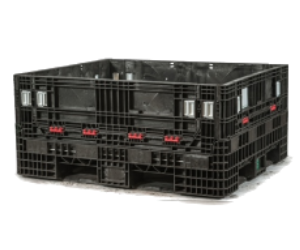
The cost-effectiveness of mass containers plays a significant role in contemporary product handling. By lessening packaging expenses and enhancing transportation logistics, services can attain significant financial savings. This financial efficiency not only enhances success however likewise adds to structured operations.
Reduced Product Packaging Prices
Lots of businesses find that making use of mass containers especially lowers packaging prices. By consolidating products right into larger containers, firms can significantly reduce the quantity of packaging material needed. This reduction not only decreases the prices connected with buying packaging supplies but also lessens garbage disposal costs. Furthermore, bulk containers enhance the packaging process, allowing for faster and more reliable packing procedures. As a result, labor prices connected to managing smaller plans are likewise decreased. Moreover, the toughness of bulk containers commonly causes fewer item damages throughout transit, consequently decreasing the requirement for replacement product packaging. In general, the adoption of mass containers stands for a critical strategy to reducing down on packaging expenditures while boosting operational effectiveness.Efficient Transportation Financial Savings
Substantial financial savings in transport costs can be accomplished via the use of mass containers. By optimizing load capabilities, mass containers reduce the number of journeys called for to carry goods, bring about reduced gas costs and lowered labor prices. Their standard dimensions promote efficient stacking and packing, optimizing area within transport automobiles. In addition, bulk containers frequently consider much less than conventional product packaging, enabling enhanced hauls without surpassing weight limits, further enhancing expense performance. The sturdiness of these containers lessens item damage during transportation, lowering returns and losses. On the whole, the assimilation of bulk containers in logistics not only simplifies transportation procedures however likewise significantly adds to cost-effectiveness, making them a necessary element in contemporary supply chain management.
Minimizing Waste With Bulk Containers
Mass containers play a necessary function in minimizing waste within item handling systems - [#mkeyword]. By reducing product waste and advertising efficient source use, these containers contribute considerably to sustainability efforts. This change towards lasting product packaging options not only profits the atmosphere but additionally boosts operational effectivenessMinimizing Material Waste
Effective monitoring of material waste is a crucial concern in item handling, and using bulk containers can play an essential duty in resolving this concern. By raising the volume of materials moved at once, mass containers considerably reduce the number of shipments needed, thus minimizing excess packaging waste. Their durable design likewise avoids spillage and damages throughout transportation, further restricting material loss. In addition, mass containers are typically recyclable, advertising a circular economic situation that motivates sustainability. The standardization of these containers simplifies supply management and minimizes the threat of over-ordering, which can bring about waste. As companies venture for performance, embracing mass containers emerges as a reliable technique for reducing material waste in different circulation procedures.Efficient Resource Application
While aiming for perfect performance, many organizations discover that the usage of mass containers greatly boosts source administration. These containers help with streamlined operations by minimizing the frequency of dealing with and transport, which in turn reduces the probability of item loss and damage. By settling products into larger units, business can optimize storage room and lower the need for excessive packaging. This approach not only lowers material costs however additionally decreases labor related to managing smaller sized plans. Furthermore, bulk containers usually have a longer life-span contrasted to typical product packaging, resulting in lower replacement prices and reduced waste ([#mkeyword]). Inevitably, the fostering of bulk containers promotes a much more efficient use resources, adding to enhanced operational efficiency and cost financial savings in the supply chainSustainable Packaging Solutions
A significant advantage of utilizing mass containers exists in their prospective to lessen waste in product packaging processes. These containers are developed for reuse, significantly decreasing the demand for single-use packaging products, which add to ecological destruction. By consolidating item storage and transportation, bulk containers maximize space and decrease the overall volume of materials called for, consequently reducing the carbon impact related to manufacturing and getting rid of traditional packaging. Furthermore, their durability guarantees that they can hold up against numerous journeys, promoting a round economic situation. As companies increasingly embrace sustainable methods, the assimilation of mass containers right into supply chains stands for a positive method to lowering waste and improving performance, eventually sustaining wider environmental objectives and business social duty initiatives.Enhancing Transport Efficiency
Optimizing transport efficiency is crucial for services utilizing mass containers in product handling. Mass containers are made to optimize area application during transportation, enabling for larger amounts of products to be delivered at the same time. This decrease in trips translates to lower transport prices and reduced carbon discharges, adding to more lasting logistics practices. Furthermore, the uniformity of bulk containers improves filling and unloading processes, lessening dealing with time and labor costs. Their durable construction additionally uses protection versus damage, decreasing losses throughout transportation. Consequently, firms can achieve quicker turn-around times, boosting total supply chain effectiveness. By carrying out bulk containers, businesses can greatly improve their transport logistics, inevitably resulting in boosted earnings and an one-upmanship in the market.Improving Item Security and Quality
Making sure item safety and quality is critical for businesses that utilize bulk containers in product handling, as these containers are especially developed to protect contents during storage and transportation. The durable building of bulk containers safeguards items from ecological elements such as contamination, moisture, and dirt, which can endanger stability. Furthermore, their airtight seals reduce direct exposure to air, thus maintaining quality and avoiding perishing. Bulk containers help with compliance with safety and security guidelines by supplying clear labeling and traceability, which are essential in numerous markets, consisting of food and drugs. By utilizing bulk containers, business can efficiently minimize the threat of damages throughout transit and handling, making certain that products reach their location in prime problem, thus boosting client contentment and trust fund.Versatility and Flexibility of Bulk Containers
Mass containers supply amazing flexibility and flexibility, making them ideal for a wide range of industries and applications. Their design permits the efficient handling of various materials, including granules, powders, and liquids, accommodating industries such as food, drugs, and chemicals. These containers can be quickly modified or personalized to meet details functional requirements, facilitating smooth integration right into existing supply chains. In addition, their stackable nature enhances storage area, enhancing stockroom performance. The ability to stand up to different ecological conditions further extends their functionality throughout varied setups, from manufacturing to transportation. This flexibility not only simplifies logistics but likewise supports services in meeting changing demands, highlighting the relevance of bulk containers in modern-day item managing systems.
Sustainability Benefits of Using Mass Containers
The versatility of bulk containers not just boosts functional efficiency however additionally adds substantially to sustainability efforts throughout various markets. By reducing the requirement for single-use packaging, bulk containers lessen waste generation, bring about a lower environmental impact. Their recyclable nature allows companies to substantially lower material intake, while their layout promotes reliable transport, reducing fuel intake and greenhouse gas discharges. Furthermore, bulk containers can be conveniently cleaned up and repurposed, further expanding their lifecycle and reducing the demand for brand-new manufacturing sources. This lasting strategy straightens with growing consumer preferences for eco-friendly practices, allowing businesses to enhance their brand image while sustaining ecological stewardship. Generally, the implementation of mass containers fosters a much more lasting model for product handling and circulation.[#image]
Frequently Asked Inquiries
What Products Are Bulk Containers Generally Made From?
Bulk containers are normally made from materials such as plastic, steel, timber, or composite materials. These choices rely on the container's planned use, sturdiness demands, and the kinds of products being stored or transported.How Do Mass Containers Comply With Sector Laws?
Mass containers abide by market regulations by sticking to safety standards, using approved products, and guaranteeing appropriate labeling. Normal examinations and certifications further ensure they satisfy health, ecological, and transportation standards, protecting product stability throughout the supply chain.[#image]
Can Bulk Containers Be Personalized for Specific Products?
Yes, bulk containers can be tailored for certain products. Producers often develop them to meet distinct requirements, making certain compatibility with numerous products, boosting security, and optimizing effectiveness throughout handling and distribution customized to certain industry demands.What Is the Typical Lifespan of a Mass Container?
The average life expectancy of a mass container usually varies from 5 to twenty years, depending on the products utilized, frequency of use, and maintenance practices. Shop Bulk Plastic Containers Proper treatment can considerably expand its functionality and efficiency.[#video]
How Do I Tidy and Maintain Mass Containers Successfully?
To clean and maintain bulk containers properly, one should consistently check for damage, laundry with proper cleaning agents, wash extensively, completely dry completely, and shop in a clean, dry environment to protect against contamination and prolong life-span. ([#mkeyword])The resilience of mass containers typically leads to less product damages throughout transportation, therefore decreasing the need for substitute packaging. Efficient monitoring of product waste is a vital problem in product handling, and utilizing bulk containers can play a crucial duty in addressing this issue. By settling item storage and transport, bulk containers optimize area and reduce the total quantity of materials called for, consequently reducing the carbon impact connected with manufacturing and disposing of conventional packaging. Maximizing transport performance is important for companies utilizing bulk containers in product handling. Making sure product security and top quality is paramount for companies that use mass containers in product handling, as these containers are specifically made to guard materials during storage space and transportation.
Report this wiki page